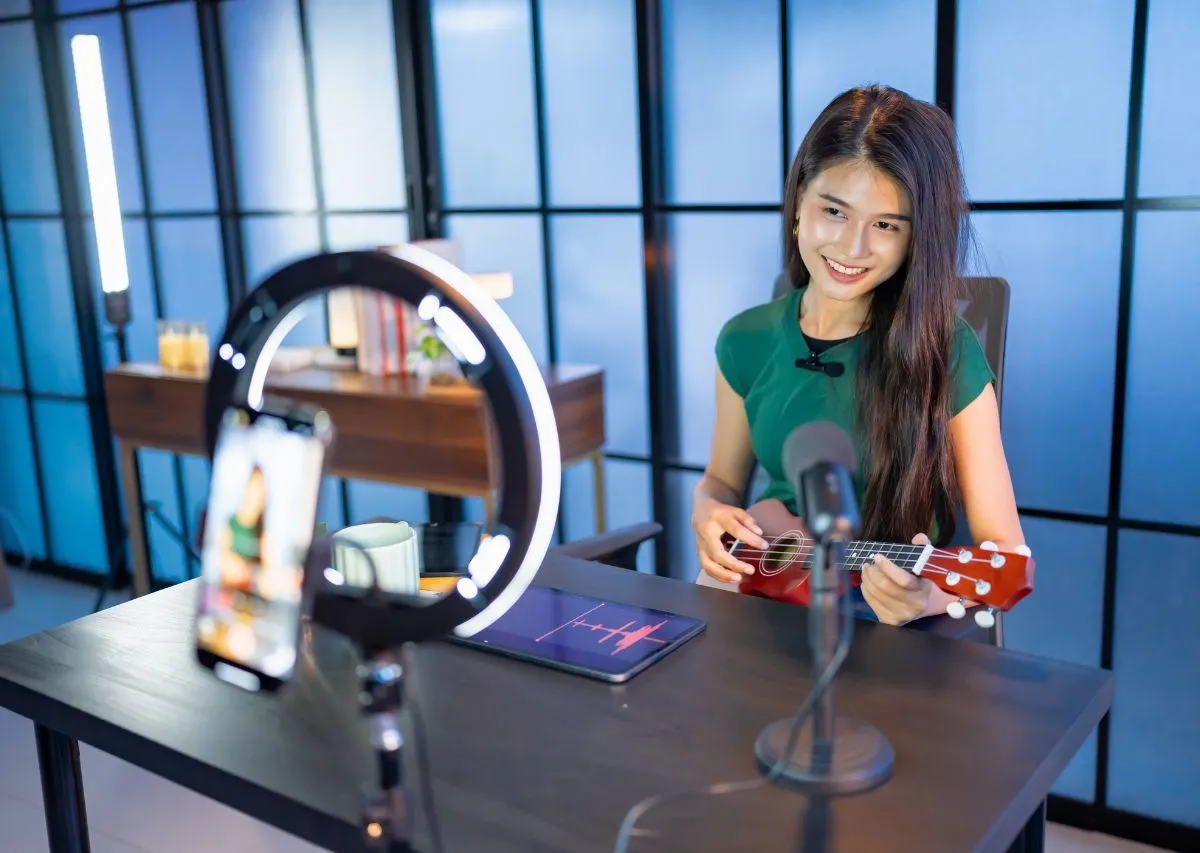
In the modern digital age, the way we consume information and entertainment has shifted dramatically. You might find yourself scrolling through social media or watching videos and wondering, what is a content creator exactly? At its simplest, a content creator is someone who produces educational or entertaining material for a specific audience across various digital channels and platforms.
These individuals are the architects of the internet, building communities through their unique voices and perspectives. Whether they are writing articles, filming tutorials, or recording podcasts, their work reaches millions of people instantly. This role has evolved from a hobby into a professional career path for many people seeking creative freedom in a connected world.
The history of this field began with simple personal blogs and early video sharing sites. As technology improved, the definition of a creator expanded to include anyone using a smartphone to document their life or share expertise. Today, understanding what is a content creator requires looking at the diverse range of mediums they utilize to reach fans.
Modern creators are no longer confined to a single format or style. They often manage multiple accounts across different networks to ensure their message is heard by as many people as possible. This multi platform approach allows them to stay relevant as trends change and new technologies emerge within the global digital marketplace.
Content can take many forms depending on the goals of the individual and the needs of their followers. Visual creators focus on high quality imagery and video production to tell stories or demonstrate products. Written creators might focus on long form essays, newsletters, or technical guides that provide deep insights into specific niche topics.
Audio creators have found a massive audience through the rise of digital radio and streaming talk shows. By focusing on sound quality and engaging storytelling, they can connect with listeners during commutes or workouts. Each of these types requires a different set of skills and tools to execute effectively and maintain a professional standard.
The choice of platform often dictates the style of the material produced and the demographic of the audience reached. Video centric sites are ideal for tutorials and cinematic storytelling, while micro blogging sites favor quick updates and real time conversations. Each platform has its own set of rules and algorithms that creators must master to grow.
Some platforms prioritize short bursts of information that can be consumed in seconds. Others encourage deep dives and hour long discussions that build long term loyalty and trust. A successful creator knows how to tailor their work to fit the specific culture and technical requirements of each digital space they inhabit.
One of the most critical steps in becoming a creator is finding a specific area of focus or expertise. By specializing in a niche, an individual can become a trusted authority and stand out in a crowded market. This focus helps them attract a dedicated group of followers who are genuinely interested.
Niches can range from high tech gadget reviews to traditional cooking techniques or personal finance advice. The key is to find a balance between a personal passion and a topic that has a viable audience. Consistency in a niche builds a recognizable brand that people return to time and time again.
Behind every viral post or popular video is a significant amount of planning and strategic thinking. Creators must decide what topics to cover, when to post, and how to promote their work to reach new eyes. This often involves researching trends and analyzing data to see what resonates with their community, making content strategy and planning essential for long-term growth.
A solid strategy includes a calendar that outlines upcoming projects and deadlines to ensure a steady stream of material. Without a plan, it is easy to become overwhelmed by the constant demand for new updates. Organization is the foundation of a sustainable career in the fast paced world of digital media.
To produce professional results, creators rely on a variety of hardware and software tools. This often includes high definition cameras, professional microphones, and powerful computers capable of editing large files. These tools help ensure the final product meets the expectations of a modern and tech savvy audience.
A creator is only as successful as the community they build and maintain over time. Engaging with followers through comments, messages, and live events is essential for creating a sense of connection. This interaction helps humanize the creator and encourages people to stay invested in their journey and work.
Listening to feedback can also provide valuable ideas for future projects and improvements. By treating their audience as a community rather than just numbers, creators can foster a supportive environment. This two way communication is what separates digital creators from traditional one way media broadcasts like television or print.
Understanding what is a content creator also involves looking at how these individuals earn a living. Many rely on a mix of advertising revenue, brand partnerships, and direct support from their fans. This diversification of income is vital for long term stability in an ever changing digital economy.
Some creators sell their own products, such as digital courses, physical merchandise, or exclusive membership access. These direct sales allow them to keep a larger portion of the earnings and build a more independent business. Professionalism in business management is just as important as the creative process itself for success.
Companies are increasingly hiring creators to help them reach customers in a more authentic and engaging way. These professionals can help a brand tell its story through relatable material rather than traditional, stiff advertising. This partnership benefits both the business and the creator by providing new opportunities for growth.
Internal creators at companies often focus on building a brand's presence on social media and creating educational resources. By providing value to the customer first, businesses can build trust and brand loyalty. This shift in marketing highlights the growing power and influence of creators in the corporate world.
While the role offers many rewards, it also comes with a unique set of challenges and pressures. The pressure to constantly produce new material can lead to burnout and creative exhaustion if not managed properly. Additionally, changing algorithms can suddenly reduce the reach of a creator's work without any warning.
Dealing with negative comments and public scrutiny is another hurdle that requires mental resilience and thick skin. Creators must find a way to balance their public persona with their private life to stay healthy. Support systems and professional boundaries are essential for anyone working in the public eye.
As we look toward the future, the role of the creator will likely become even more integrated into our daily lives. New technologies like virtual reality and advanced artificial intelligence are opening up fresh ways to create and consume. These innovations will allow for even more immersive and personalized experiences for fans.
The barriers to entry continue to fall as tools become more accessible and affordable for everyone. This means that anyone with a unique idea and a willingness to work can enter the field. The creator economy is a vibrant and growing sector that rewards innovation, authenticity, and hard work.
Creators use a variety of data points to measure the success of their work and make informed decisions. These metrics often include view counts, likes, shares, and the amount of time people spend watching or reading. Understanding these numbers helps them identify what is working and what needs to be adjusted.
While high numbers are exciting, the quality of the engagement is often more important than the quantity. A small, highly engaged audience can be more valuable than a large, disinterested one. Balancing data analysis with creative intuition is the hallmark of a seasoned and successful digital professional.
In a world filled with digital noise, authenticity is the most valuable currency a creator possesses. People are drawn to those who are honest about their experiences and stay true to their values. This transparency builds a deep level of trust that cannot be replicated by traditional advertising methods.
A brand is more than just a logo or a catchy name; it is the feeling people get when they interact with the creator. Consistency in tone, style, and messaging helps reinforce this brand identity over time. Being yourself is the most effective way to stand out.
Managing your presence online requires a thoughtful approach to material and communication. Moving Engine specializes in helping you navigate the complexities of digital systems with precision and care. Our team understands the importance of maintaining a clear and effective voice in an increasingly crowded and competitive online marketplace.
Fueling your digital growth starts with having the right strategy and support in place for your projects. We provide the technical insights and professional guidance needed to help your brand move forward with confidence and clarity. Contact Pierce at movingengine.io or call 912-461-5638 to discuss how we can support your unique goals.
While the terms are often used interchangeably, a creator focuses primarily on the production of high quality material like videos or articles. An influencer is defined by their ability to affect the purchasing decisions of others due to their authority or relationship with their social media audience.
No, you do not need expensive gear to get started. Most modern smartphones have cameras and microphones that are more than capable of producing good results for social media. As your audience grows and your skills improve, you can slowly invest in more advanced hardware and editing software.
Consistency is usually more important than frequency when it comes to building a loyal following. It is better to post one high quality update per week than to post every day with low quality material. Find a schedule that you can realistically maintain without becoming overwhelmed or exhausted.
Yes, the digital landscape is open to anyone who has a unique perspective or a valuable skill to share. While the market is competitive, there is always room for new voices that provide genuine value to their audience. Success requires a mix of passion, patience, and persistent effort.
The best platform depends entirely on the type of material you want to make and where your target audience spends their time. If you enjoy making long videos, a video sharing site is best. If you prefer photography, a visual social network would be a much better fit.