If you spend time on social media, you have seen people say “DM me” or “Slide into my DMs” and wondered what that really means. At the simplest level, DM usually stands for direct message, a private chat between users that does not appear in public comments or posts.
For moving companies and marketers, that little abbreviation opens a big opportunity. DMs are where public interest quietly turns into real conversations, quotes, and booked jobs. When you understand what DM stands for in different contexts, you can use it confidently instead of guessing what people mean. Brands like Moving Engine help movers connect these conversations to real growth instead of letting them live in scattered inboxes.
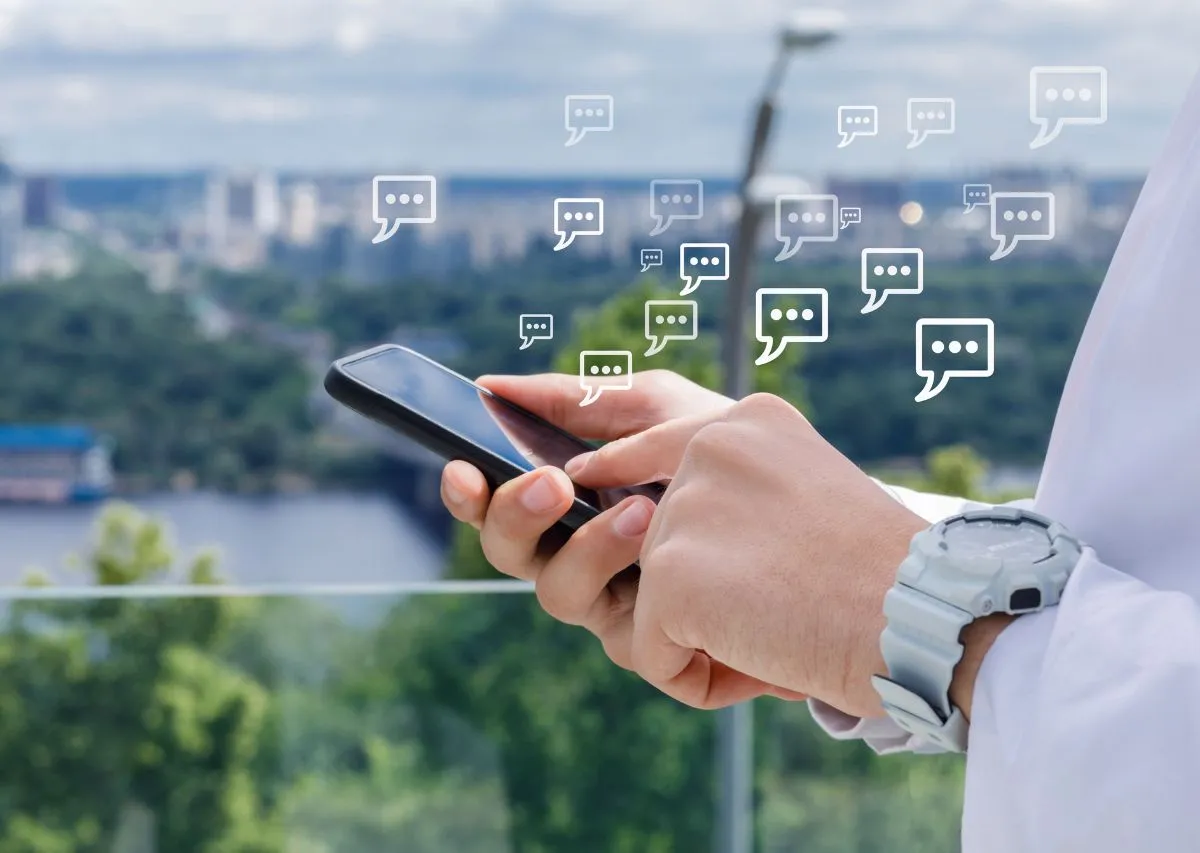
In modern social media, DM most commonly means direct message. A direct message is a private communication feature built into platforms like Instagram, Facebook, X, LinkedIn, TikTok, and others where only the sender and recipient can see the conversation.
When someone writes “DM me,” they are inviting you to move the chat out of public comments into that private inbox. DMs support text, links, images, voice notes, and sometimes video or calls, which makes them a flexible way to talk with customers, partners, or leads without sharing personal details publicly.
Although direct message is the dominant meaning online, DM can stand for several other things depending on where you see it. In marketing and business, it often refers to direct mail, digital marketing, or digital media, all of which use the same initials but describe different channels.
Outside business, DM can mean dungeon master in tabletop gaming, Deutsche Mark in historical finance, or even does not matter and dont mind in casual texting. Context always decides which version is correct, so paying attention to surrounding words prevents embarrassing misunderstandings.
Because DM has many possible meanings, the safest approach is to read the whole sentence before assuming anything. On Instagram, “DM us for details” almost always means send a direct message. In a marketing deck, “DM performance” is much more likely to describe direct mail or digital marketing results.
If you ever feel unsure, ask a simple clarifying question instead of guessing. Something like “Do you mean direct message here or direct mail?” keeps communication clean and shows that you pay attention to details. That small habit prevents you from tracking the wrong metric or using the wrong tool.
For movers, DMs sit right where curiosity and intent meet. People see your content, reel, or ad, feel interested, and then open a private chat to ask about dates, pricing, or services. That private inbox is often where the real decision happens, long before a form submission or signed contract.
Imagine 4,400 people seeing your brand across platforms in a busy month. Only a fraction will call immediately, but many feel more comfortable typing a quick DM first. When your team understands what DM stands for and how to respond well, those small private questions can snowball into booked trucks.
Every social platform has its own DM interface, but the core idea is the same. A user chooses your profile, taps a message icon, and starts a private conversation that lives in an inbox separate from public comments or posts.
Brands can reply manually, use saved replies, or add basic automation like quick responses and chatbots. These tools help you answer common questions faster, route conversations to the right person, and keep track of where someone is in their decision making process without losing the personal touch.
In marketing jargon, DM also shows up as direct mail or digital marketing. Direct mail means printed pieces like postcards or letters sent to a physical address. Digital marketing covers online channels like search, paid ads, email, and social campaigns that drive people toward your website or offers.
Direct messages fit inside that bigger digital marketing universe. Your search engine optimisation, ads, and posts attract attention at scale, while DMs handle deeper questions and tailored conversations. When those parts work together, your marketing engine feels less like broadcasting and more like guided dialogue.
The best DM strategies feel like helpful conversations, not pressure sales. Someone might comment on a post asking if you handle apartments, cross country jobs, or storage. Reply publicly with a short answer, then invite them to DM you so you can share details without publishing personal information.
Inside the DM, you can ask about dates, starting and ending locations, and any special items like pianos or safes. Share links to relevant pages, send short explanations, and let them respond at their own pace. When done well, this feels more like a friendly guide than a script.
Because DMs are private, respecting boundaries matters. Start by answering the exact question they asked instead of jumping straight into a long pitch. Ask permission before sending longer offers or multiple follow up messages so they never feel trapped or spammed in their inbox.
Keep your tone clear, polite, and human. Use names when possible, send concise messages instead of long blocks of text, and respond promptly during business hours. If someone slows down or stops replying, give them space. You want your brand to be the mover that listens, not the one that nags.
From a business perspective, DMs work best when there is a clear but gentle path from question to booking. Start with basics like answering pricing or availability, then guide people toward the next step: a quote form, a quick call, or a calendar link for a virtual estimate.
You can use simple templates to speed things up while still customizing each reply. For example, once you know the date and city pair, you might say you would love to check availability and share an accurate estimate, then offer two options: continue in chat or move to a short call.
If your team spends time inside DMs, it is worth tracking results. You do not need complex systems to start. Simply tag leads in your CRM or spreadsheet as “Came from DM” and note which platform they used. Over time, you will see which channels actually drive booked moves.
You can also watch patterns. Maybe Instagram DMs often start with apartment moves while Facebook DMs lean toward families. Those insights help you tailor messaging, update website copy, or adjust ad targeting so your public content lines up with the private questions you keep seeing.
Moving Engine was built to help moving companies get found, convert more leads, and grow without guessing. Strong UI, search, and ad strategies bring visitors to your website and profiles, but DMs are where many of those visitors finally speak up and ask for help.
When you understand what DM stands for and how to use it, your marketing becomes more complete. Your ads no longer work alone. Instead, every campaign has a clear path from search to site to DM to booking. Pairing DMs with high-intent channels like Google Local Service Ads gives movers a direct line from visibility to conversation to revenue.
What does DM usually stand for on social media?
DM usually stands for direct message, a private chat on social media. In digital marketing, it describes one to one conversations in a platform inbox instead of public comments. When someone writes DM me, they want to move that chat into a fully private space where details feel safer.
Are there other meanings for DM besides direct message?
DM is most often used for direct message, but it can also mean direct mail, digital marketing, or dungeon master. Context explains which version fits the situation. In business and marketing, people usually mean private social messages or coordinated direct mail campaigns, not gaming jargon.
How do brands use DMs in marketing?
DMs help brands answer questions, send links, and move conversations toward a call or booking without sharing personal details publicly. For movers, a quick DM reply can turn a simple pricing question into a scheduled estimate with an address, date, inventory list, and a few next steps.
What is good etiquette when sending DMs?
Use DMs for support and relationship building, not spammy blasts. Ask permission before sending offers, reply quickly, and keep messages short and helpful. If someone stops responding or seems uncomfortable, respect their space and slow down. Good DM etiquette builds long term trust instead of annoyance.
Can moving companies safely use DMs with customers?
Yes, moving companies can safely use DMs when they protect personal data and follow each platform's rules closely. Keep payment and contract details on secure systems, not screenshots inside chat. Use DMs mainly to answer questions, confirm basics, and guide people into your main booking flow.